Gallium geopolitics: key facts
- China share of primary gallium
- ≈ 99%
- China capacity
- ≈ 1,600 t/yr
- World output (2025)
- ≈ 900 t
- US import reliance
- 100%; no primary production since 1987
- Export licensing effective
- 1 August 2023
- US export ban
- 3 December 2024
- Ban suspended until
- 27 November 2026
Sources: USGS Mineral Commodity Summaries; MOFCOM announcements.
What is geopolitical risk in gallium?
Geopolitical risk in gallium is the chance that government decisions, mainly by China, change who can buy gallium and at what price. Because China produces about 99% of primary gallium, its export policy sets the gap between Chinese and Western prices and therefore most of an investor’s value.
This risk cuts both ways. Tighter controls have pushed Western prices up; easing them can push Western prices down. Either direction can arrive with little warning.
Why does China control the gallium supply?
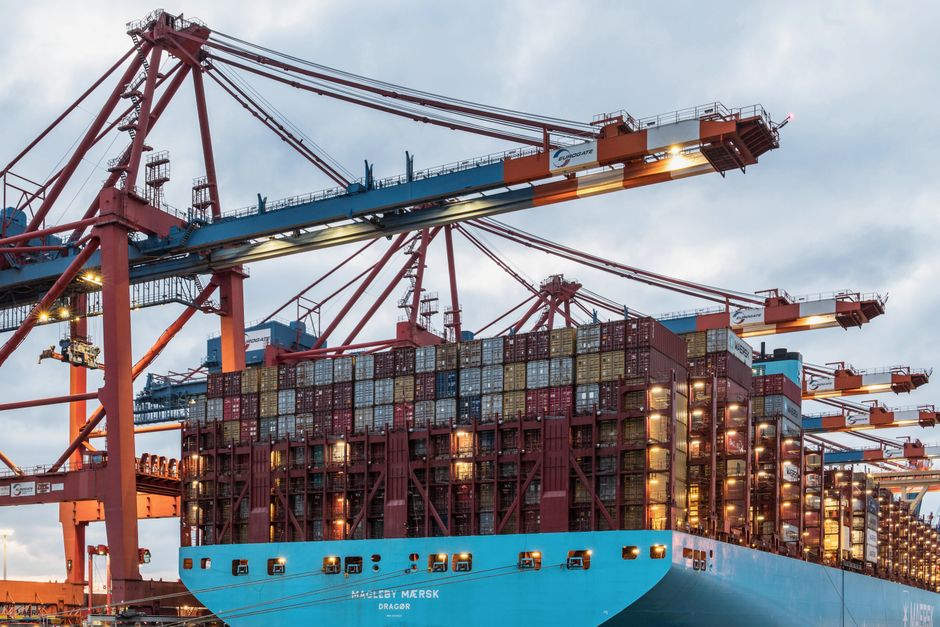
China controls gallium supply because it has the world’s largest alumina industry, and gallium is recovered from Bayer-process liquor at alumina refineries. China built about 1,600 tonnes of annual capacity, and lower-cost Chinese output pushed other producers out of the market.
Germany stopped primary production in 2016, Hungary in 2015, Kazakhstan in 2013 and Ukraine around 2022. Only Japan, South Korea and Russia still produce small amounts. The United States has had no primary production since 1987 and imports all of its roughly 19,000 kilograms of annual use.
What export controls has China imposed on gallium?
China announced export licensing for gallium and germanium on 3 July 2023, effective 1 August 2023. It banned gallium exports to the United States on 3 December 2024, then suspended that ban on 9 November 2025 under MOFCOM Announcement No. 72, until 27 November 2026.
- China announces export licensing for gallium and germanium
- Licensing takes effect; exports fall sharply
- China bans gallium exports to the United States
- US ban suspended (MOFCOM Announcement No. 72)
- Suspension due to expire unless extended
Source: MOFCOM announcements; USGS
Licensing has not ended exports, but it slows them and lets China choose recipients. The details of each step are on our China gallium export controls page.
What happens when the US ban suspension expires?
When the suspension expires on 27 November 2026, China can extend it, let the US ban return or replace it with new terms. A returning ban would likely widen the Western premium again; a long extension or wider easing could narrow it and lower Western prices.
Investors cannot predict this outcome. The practical response is to avoid positions so large that either result would force a sale.
How are Western governments responding?
Western governments are funding non-Chinese supply and stockpiles. Backers include the US, Australian and Japanese governments for Alcoa’s gallium project in Western Australia, the US $12 billion “Project Vault” stockpile announced in February 2026 and a January 2026 Section 232 action favoring price floors and offtakes.
These measures reduce long-run supply risk for industry, but they also add a policy risk for investors. Price floors could support prices, while new supply or stockpile releases could cap them. Our gallium major producers page tracks who supplies what.
How should investors manage geopolitical risk?
Investors should manage gallium geopolitical risk by keeping positions small, holding for years rather than months, buying documented metal of clear origin and following export control announcements. Geopolitical risk cannot be hedged directly, so sizing is the main defense.
Related risks are on the gallium market risk page and the gallium risks hub. This is general information, not advice; see our disclaimer.